 Oct 01, 2026
 0 Comments
Seven decades into a monumental musical career spanning more than four generations, at this stage of his life Paul McCartney has absolutely nothing left to prove. Setting his own bar of musical accomplishment and achievement, with his twentieth solo studio album, *The Boys of Dungeon Lane*, McCartney proves not only is he a consummately gifted songwriter but that he still has the ability to create melodic rockers to lift the spirits and poignant ballads that touch the soul.
Hands down this is perhaps the most important and impressive collection of new material McCartney has released in decades and arrives not as a victory lap of complacent nostalgia, but as a deeply affecting, sonically vibrant exploration of memory, mortality, and the enduring power of song.
Produced alongside modern hitmaker Andrew Watt, who previously helped rejuvenate the Rolling Stones, this album beautifully marries McCartney’s classic, instinctual melodic sensibilities with a crisp, contemporary edge. It is an intimate look backward that that through the mirror of reflection and time somehow feels entirely present.
The emotional anchor of the record is its titular focus on McCartney's youth in Liverpool. Rather than viewing the past through a purely sentimental lens, McCartney approaches his history with the wisdom of an octogenarian, the optimism of a teenager looking for Lost Horizons, and the gentle ache of reminiscence about friends, loved ones, and places no longer with us that bleeds together like looking through a rain-streaked window.
The standout acoustic ballad "Days We Left Behind" is a masterclass in restraint. Over a delicately plucked guitar and a ghostly arrangement of strings, McCartney’s voice, now carrying a weathered, fragile texture, delivers a poignant meditation on friendships lost to time. It is a spiritual cousin to "Yesterday" or "Here Today," carrying a heavy emotional weight that lands with devastating simplicity.
However, the album is far from a somber affair. Andrew Watt’s production ensures that McCartney’s legendary pop architecture remains as playful and dynamic as ever. The tracks Lost Horizon and "Mountain Top" reference the way certain sounds and sights can lift our spirits, and shifts the record into a trippy, technicolor gear, reminiscent of his late-sixties psychedelic experimentation. Driven by a buoyant, thumping bassline—a reminder that McCartney remains one of rock's most inventive bass players—both songs burst with whimsy and sonic joy, proving that his musical life force remains completely undimmed. Watt manages to polish the tracks without stripping away the organic warmth that makes late-career McCartney records feel so inviting.
Every song on this release carves out its own distinct space. It doesn't strain for radio hits, nor does it hide behind over-engineered studio trickery. Instead, songs like "The Boys of Dungeon Lane" and the whimsical, episodic pop structures scattered throughout the track list reveal a songwriter who is simply delighted by the act of creation.
Ultimately, *The Boys of Dungeon Lane* succeeds because it embraces the vulnerability of aging without losing the unshakeable optimism that has defined Paul McCartney’s music for over six decades. It is a comforting, imaginative, and deeply moving addition to his unparalleled canon—a vibrant proof that as long as there are memories to trace, the melodies will keep coming
Old Dogs, New Tricks • Sharp Pens, Loud Guitars The Stones Find the Fountain of Youth on 'Foreign Tongues'
When The Rolling Stones released Hackney Diamonds in 2023, it felt like the world’s arguably greatest and certainly most prolific Rock ‘n Roll band had adopted a polished, star-studded victory lap that proved octogenarian rock stars could still dominate the charts without missing a step of polished swagger.
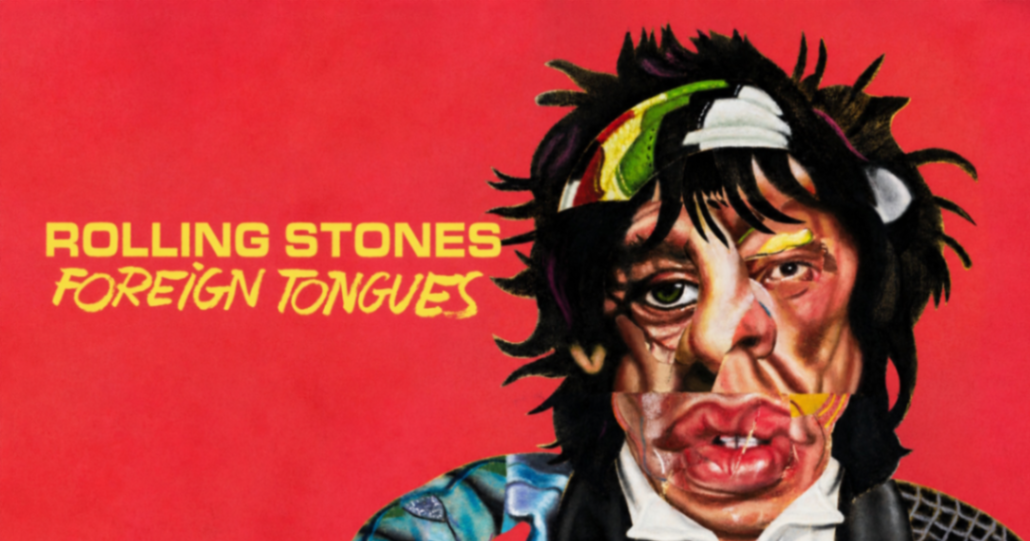
Now here we are three years later with Mick Jagger, Keith Richards, and Ronnie Wood proving again they have gathered no moss with the new release of Foreign Tongues - a sprawling, 14-track effort that completely reframes the narrative of their twilight years.
Released on July 10, 2026, and once again steered by Grammy-winning producer Andrew Watt, Foreign Tongues strips away the meticulous commercial gloss of its predecessor with the band delivering a raw, surprisingly urgent record that feels less like a calculated monument to their legacy and more like a loose, late-night garage session where the world’s greatest rock band cuts loose adding texture and depth to each note of urgency that colors each of these tracks.
The album immediately announces its visceral intentions with the opener, "Rough and Twisted". Driven by a classic Chicago blues groove, the track pits Keith's gritty rhythm guitar in the left speaker against Ronnie's sharp, coloring leads in the right. It is an electrifying display of their signature "ancient art of weaving," grounding the album in the raw blues foundation that has defined them for over six decades. Jagger sounds remarkably reinvigorated at 82 years old, sneering and howling through a "blues fantasy" that echoes the sweaty, unrefined energy of Exile on Main Street.
What makes Foreign Tongues a superior counterpart to Hackney Diamonds, however, is its rhythmic boldness and willingness to experiment. Bassist Darryl Jones and drummer Steve Jordan lay down an infectious, dance-infused groove on "Never Wanna Lose You," a track that recalls the band's late-'70s and '80s disco-rock era with a relentless pop hook and a bizarre, tongue-in-cheek cowbell contribution from Bruno Mars.
Meanwhile, "Mr Charm" operates on a semi-rap cadence, where Jagger takes sharp, satirical aim at modern power dynamics. Over a tight hi-hat pattern, he drops lines mocking the space-age fixations of the ultra-wealthy, letting "mad mogul Mr. Musk" catch an unexpected stray verse. It is a delightfully cynical performance that brings a distant echo of the sleazy audacity found on tracks like Star Star on Goats Head Soup.
The album's guest list is as high-profile as ever, yet Watt integrates them seamlessly without overshadowing the band’s identity. Paul McCartney lends a driving, prominent bassline to the fiery "Covered in You," while The Cure’s Robert Smithadds texture to the apocalyptic garage racket of "Divine Intervention" – easily one of the standout tracks on this ambitious release.
Legendary keyboardist Steve Winwood provides soaring piano and organ throughout, enriching the slower, reflective moments. Most poignant, however, is "Hit Me in the Head," a punchy, punk-edged rocker featuring the unmistakable, driving backbeat of the late Charlie Watts, unearthed from his final 2021 recording sessions.
Amidst the raucous energy, the album also finds room for genuine vulnerability. The absolute standout is "Some of Us," a tender, acoustic country-soul ballad written and sung by Keith Richards. His gravelly, world-weary vocals evoke the timeless melancholy of "You Got the Silver," balanced beautifully by Jagger joining in on the chorus. It leads into "Ringing Hollow," a post-Gram Parsons country swinger that uses the American landscape to reflect on a lifetime spent chasing its myths.
Admittedly, Foreign Tongues is a massive mixed bag, and not every gamble pays off entirely. Their gender-flipped cover of Amy Winehouse’s "You Know I'm No Good" relies heavily on Jagger’s blistering harmonica work but struggles to justify its existence next to the definitive original. Yet, as the album closes with a reverent, acoustic slide-guitar rendition of Chuck Berry’s "Beautiful Delilah," everything comes full circle.
Foreign Tongues proves that the internal alchemy of The Rolling Stones remains completely untouched by time. It is a vital, rowdy, and unexpectedly essential chapter in rock and roll history, as well a their timeless legacy.
 info@review-mag.com
 989-780-4162


















Comments (0)